Popular nearby4.6(871)
Guides
Language
EnglishCurrency
US dollar · $Your currency applies on GetYourGuide too.
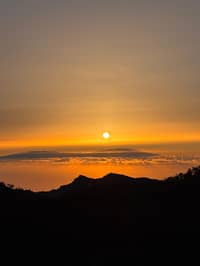
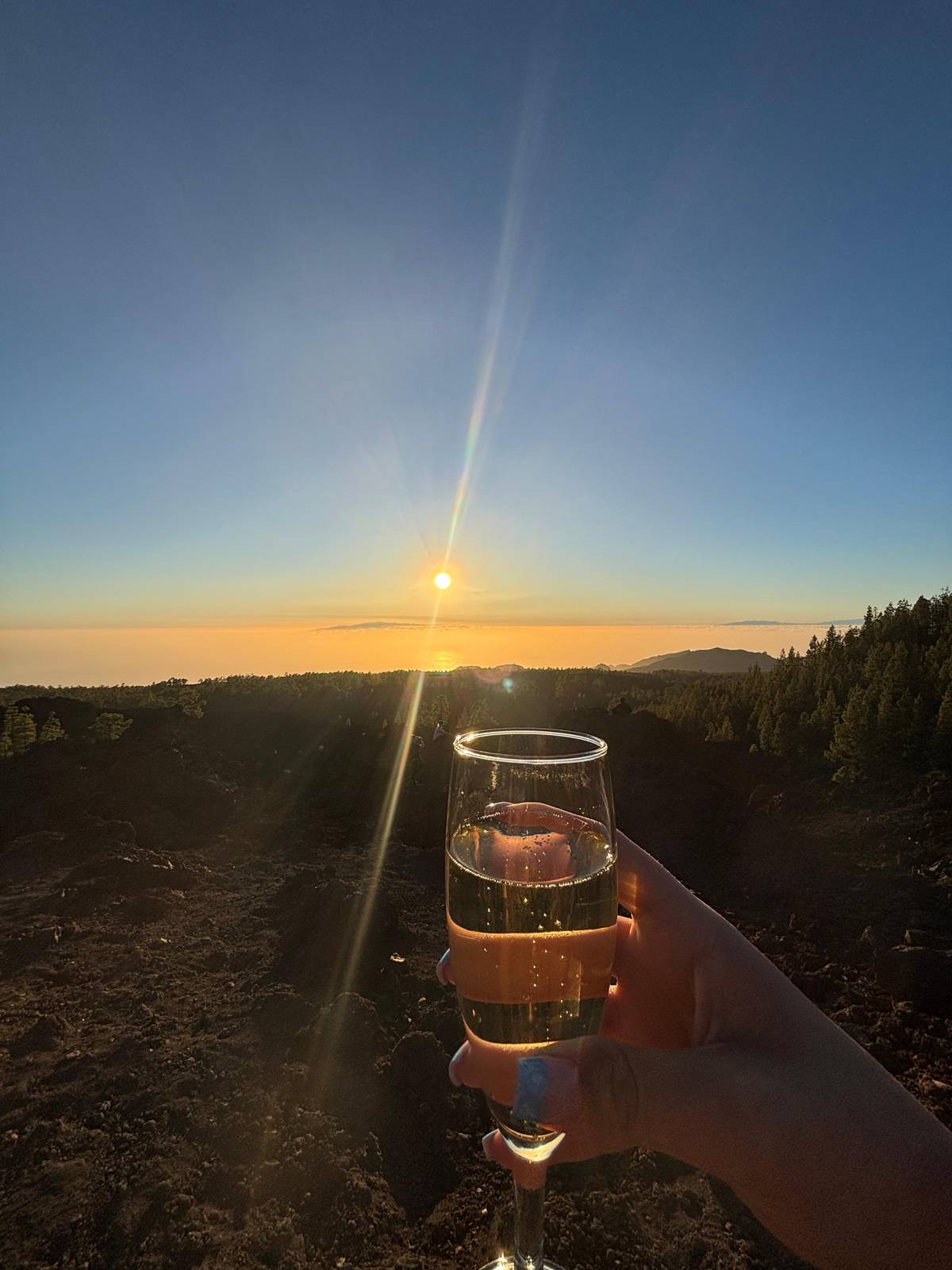
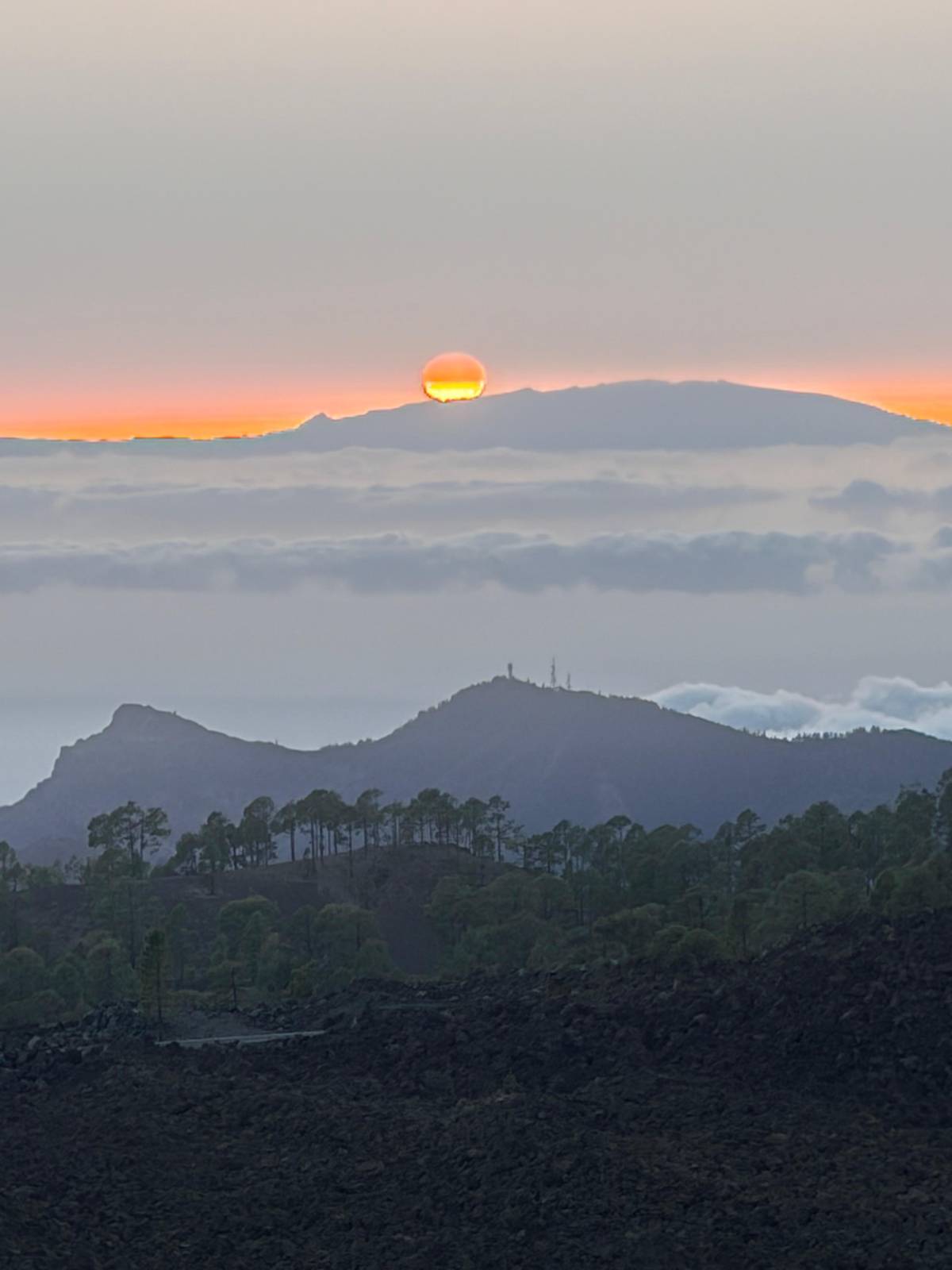
Watch the sun sink behind the western islands with a glass of Cava, then read the sky over Teide National Park with a laser pointer and a telescope.
Usually sells out 6 days aheadReserve now, pay later
Insert · the evening itself
A Tenerife stargazing tour is really a double act: the light going out over the ocean, then a sky that fills up once your eyes adjust. This one runs 3 to 6 hours depending on the option you book, and the guiding is in English only. Nobody climbs anything; you stand at public viewpoints where the authorities allow the activity, not on the mountain itself.
The listed plan is short and clear. A van ride of 45 minutes takes you up to the first viewpoint, where you have 45 minutes for photos, the sunset and a welcome drink. Then the van moves 5 minutes on to a second viewpoint, and the guided stargazing there lasts 2.25 hours before the drive back down towards Los Cristianos.
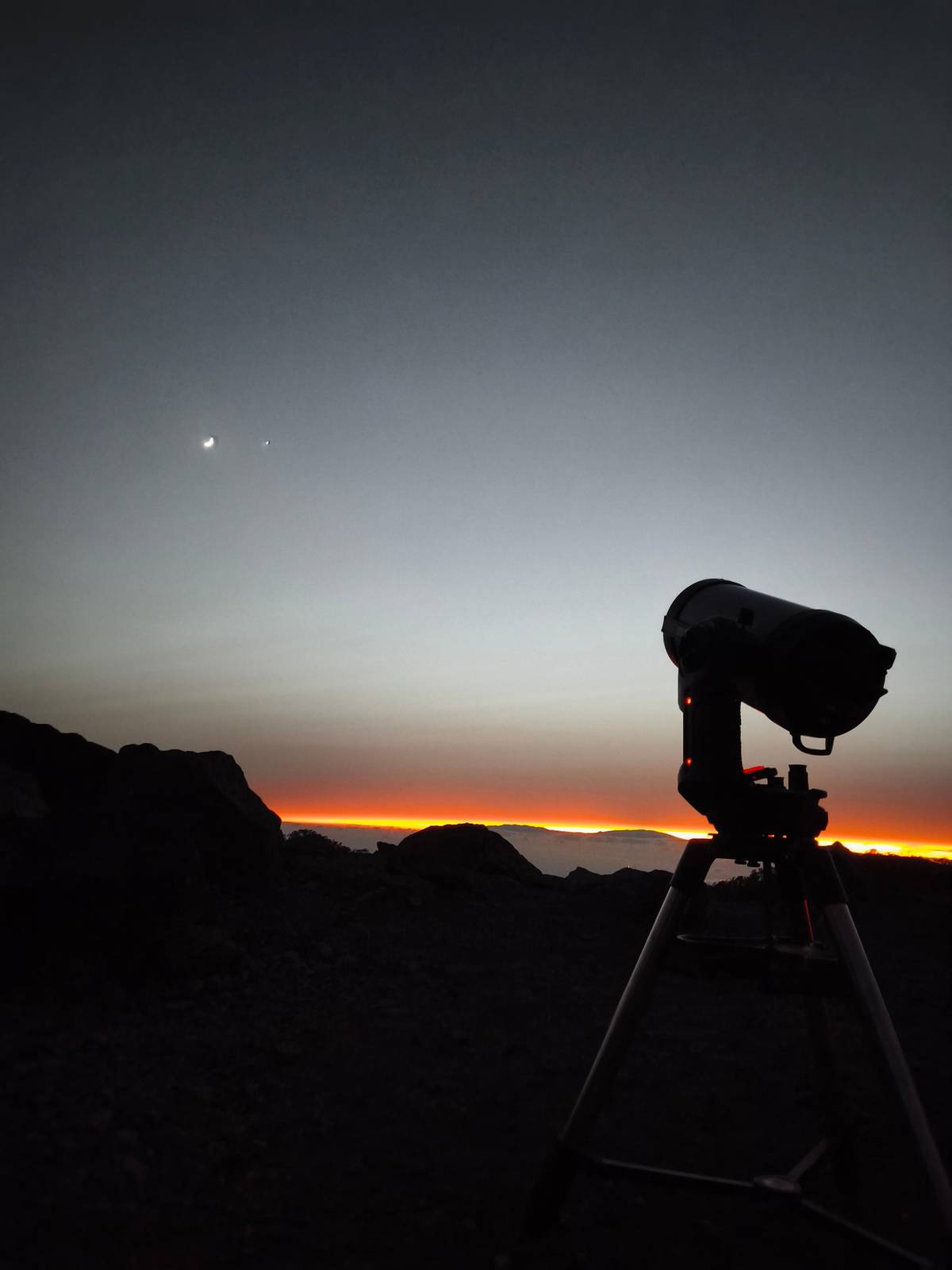
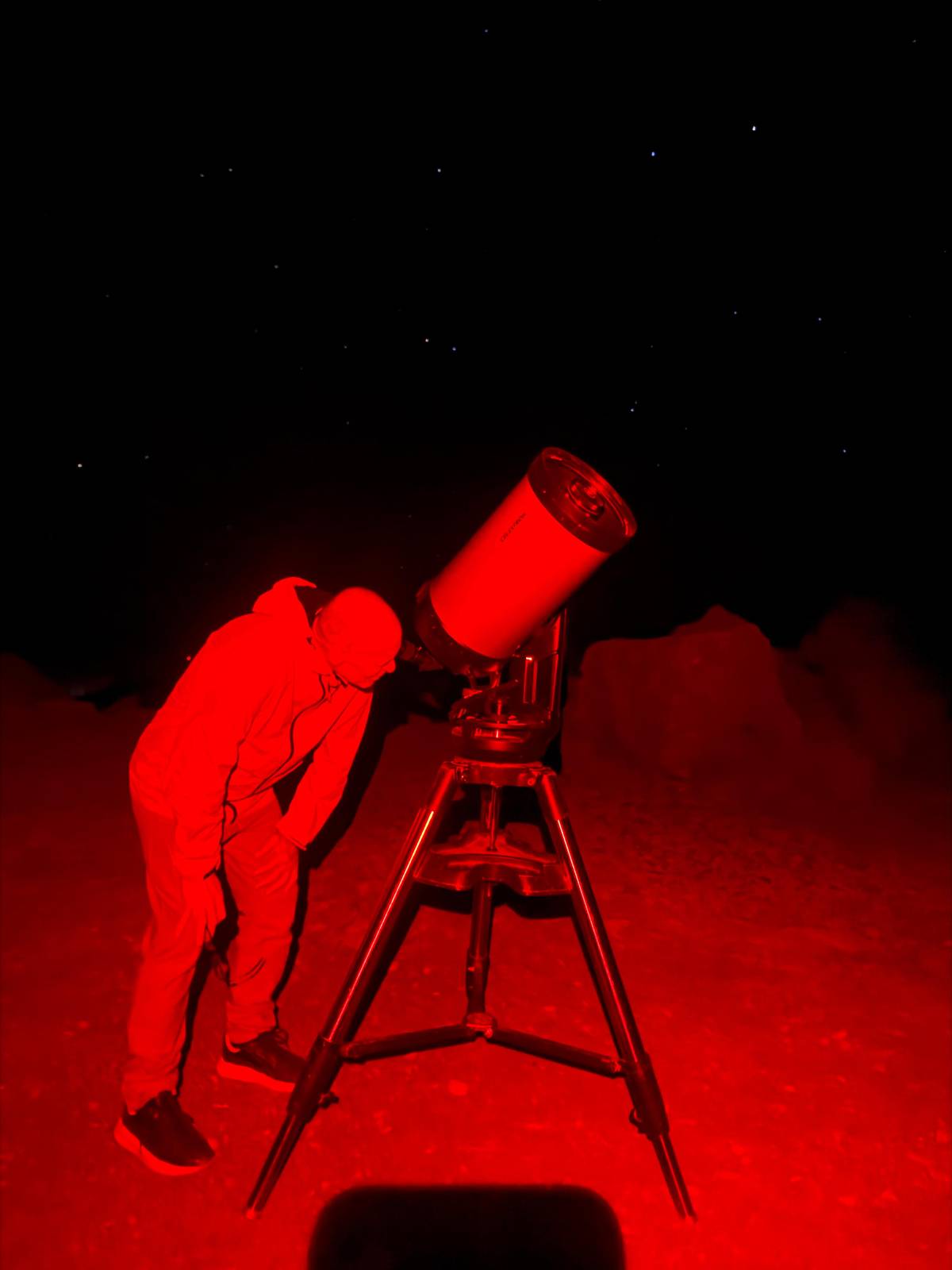
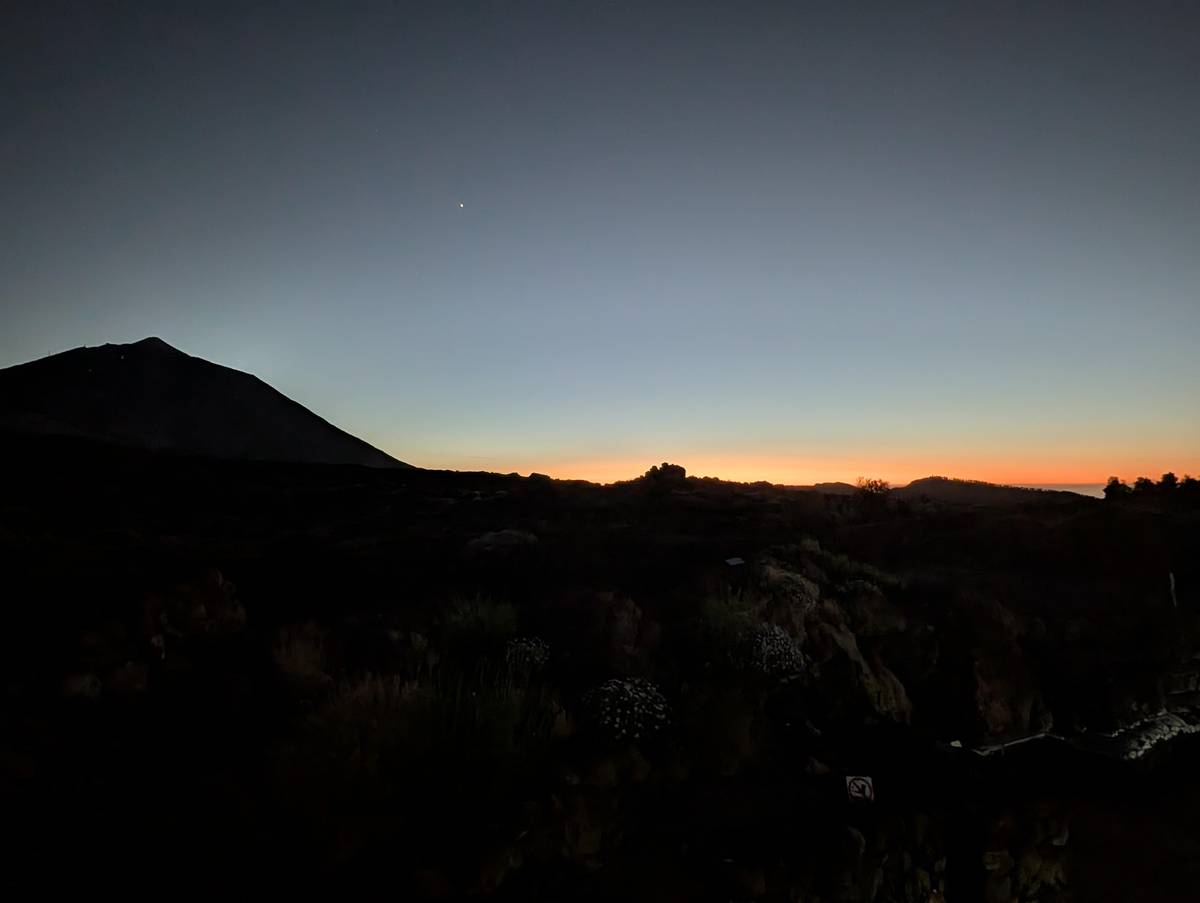
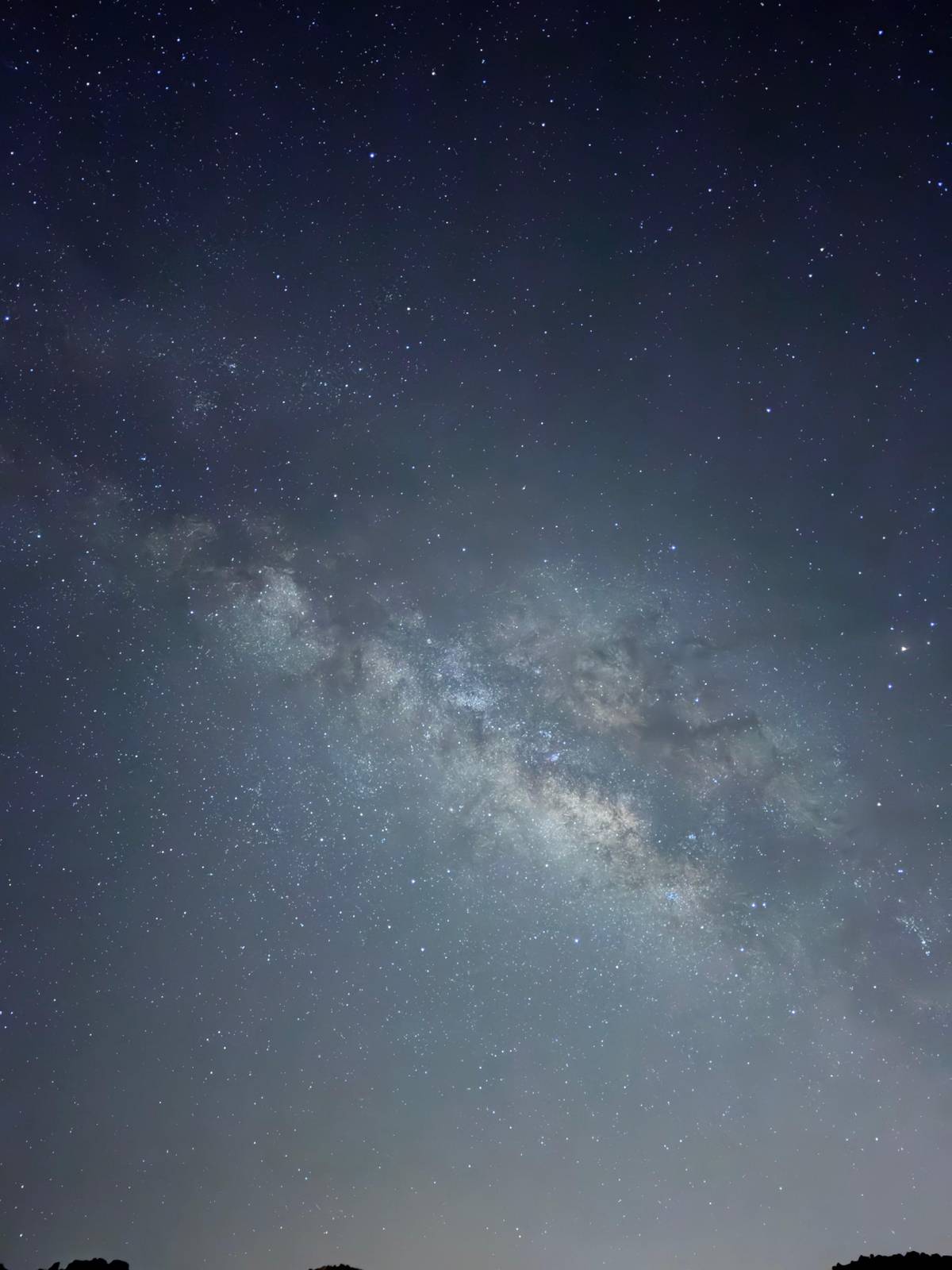
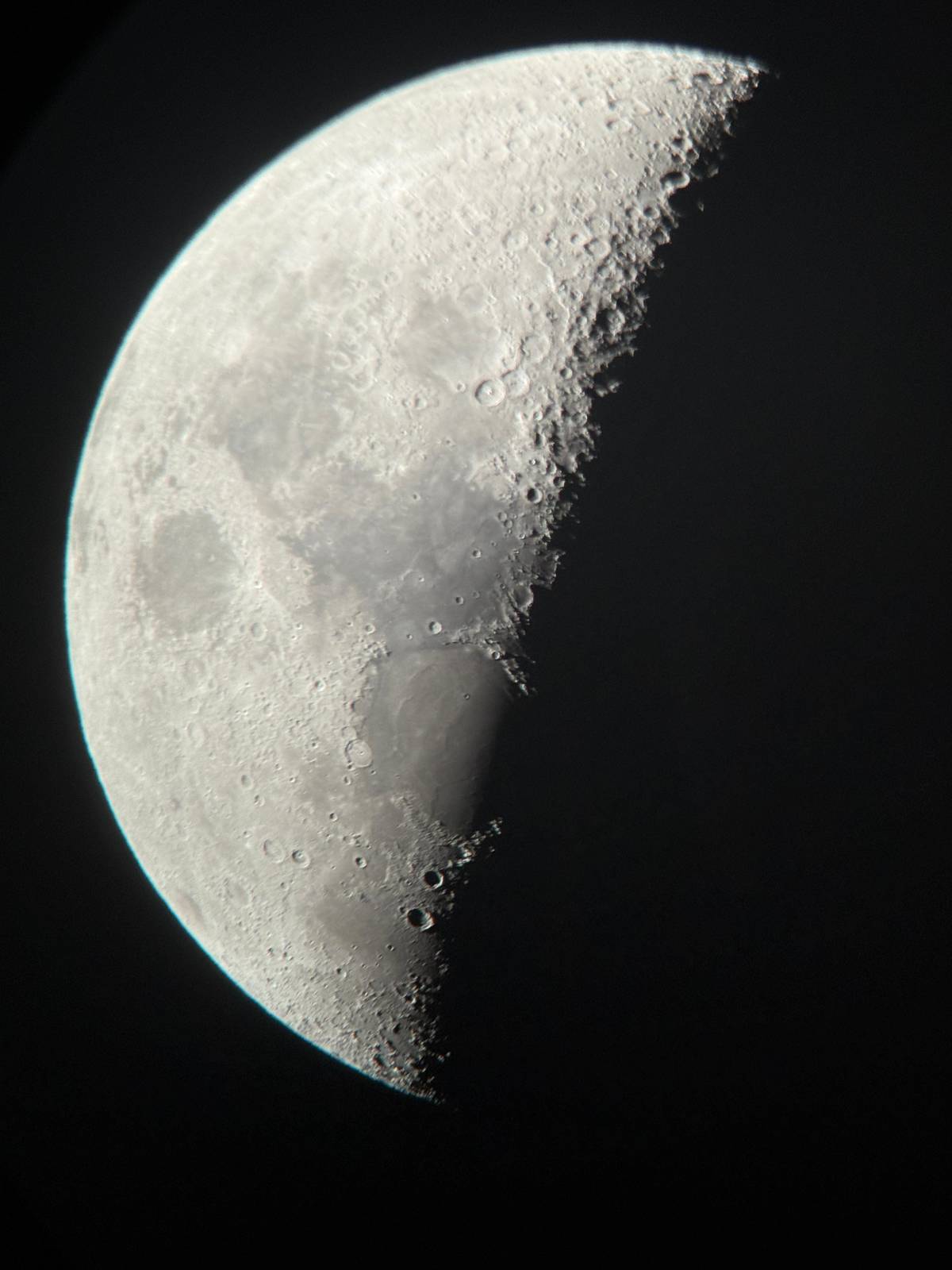
That second stop is where the evening changes character. The guides trace stars, constellations and planets with a laser pointer and set up a 12-inch Dobsonian telescope for the group. Before you leave, each guest gets a photo taken with astrophotography techniques, the night sky behind you, which is a souvenir most phone cameras could not manage on their own.
Why this evening
This evening starts at a viewpoint at 1,400 m for the sunset with a glass of Cava, then moves on to a second viewpoint for 2.25 hours of guided stargazing with a 12-inch Dobsonian telescope. It has 3,404 reviews averaging 4.68 and starts from $47. It does not go up Teide itself.
Free cancellation up to 24 hours before
Insert · why up here
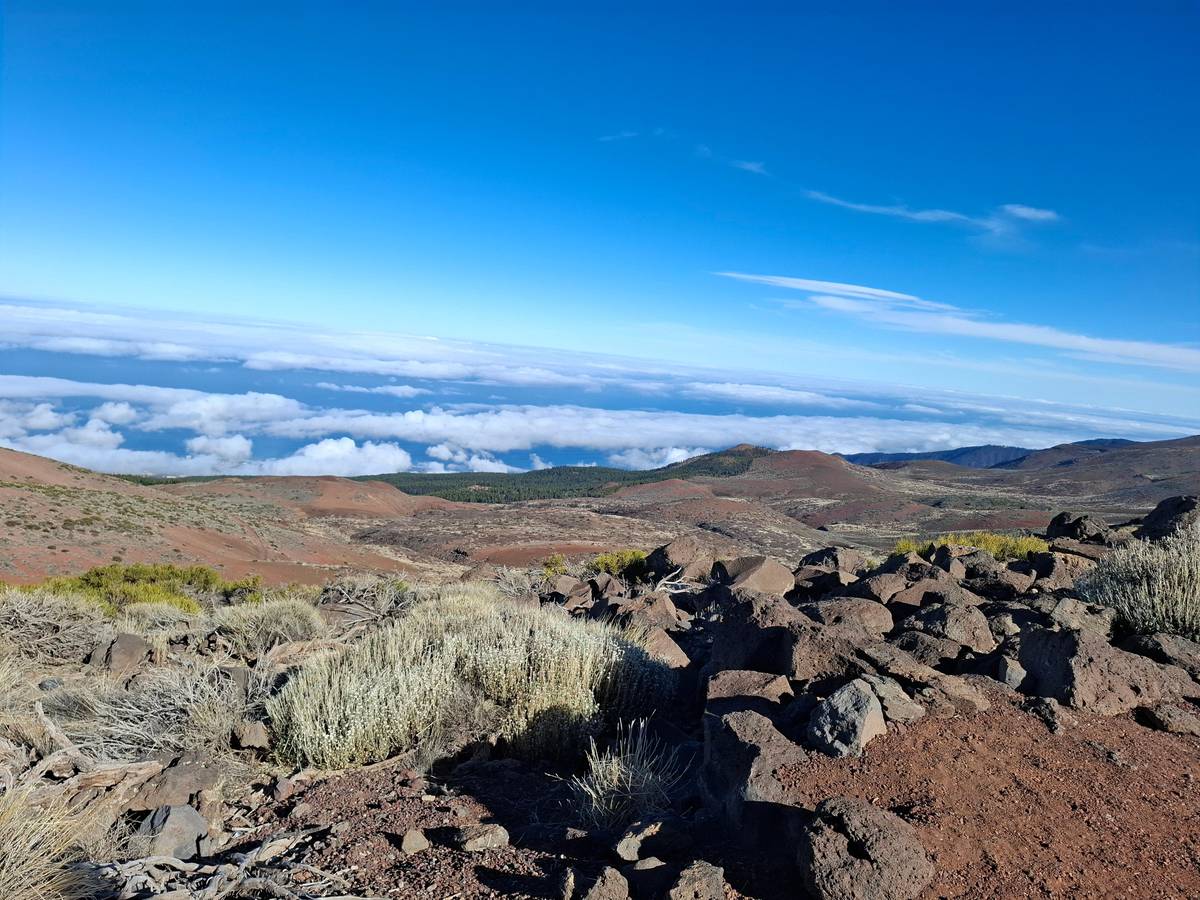
Teide National Park climbs from Canary pine forest at 1,600 m to the 3,715 m summit, the highest peak in Spain. At that height you are above most of the island's weather and well away from the lights of the resorts on the coast, which is exactly what a sky needs.
The protection is written into law. The Sky Law, Law 31/1988, guards the astronomical quality of the Canary Island observatories, and the IAC set up a technical office in January 1992 to advise on applying it. It regulates outdoor lighting on La Palma and on the part of Tenerife that La Palma can see, and even the air traffic over the observatories.
The park itself holds the Starlight certification both as a tourist destination and as a reserve. It lists astronomical observation among its natural values, next to its volcanoes and high-mountain life. Teide stargazing, in other words, is not a sales line invented for tourists: the scientists came first, and the Teide Observatory has stood at Izaña since its first telescope in 1964.
Reviews
 5.0
Our guides were fantastic, informative and funny. Being collected at the hotel was so easy, and we got wine plus photos with the stars behind us.”
 RebeccaJuly 2026, as a couple · GetYourGuide
Verified
 5.0
I loved learning about the stars and the solar system. The transport ran smoothly, the drink at sunset was a lovely touch, and our photos came out great.”
 EmmaJuly 2026, as a couple · GetYourGuide
Verified
 5.0
Picked up at the hotel, a glass of cava at a fabulous sunset spot, then telescopes for a small group, with planets, constellations and galaxies.”
 MariaJuly 2026, as a couple · GetYourGuide
Verified
 5.0
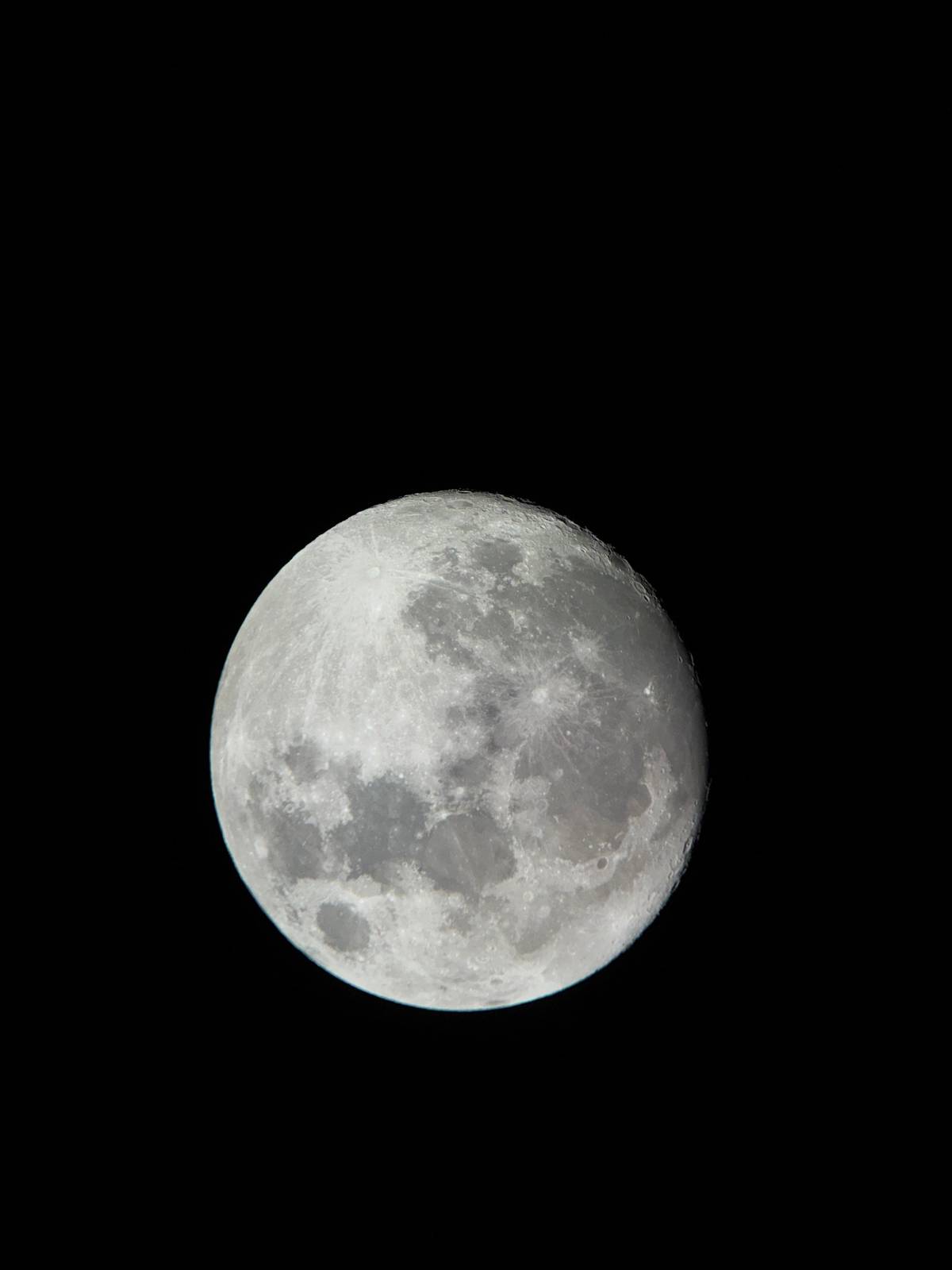
Take the VIP option. Our guide collected us from the hotel, knew so much about the islands and the stars, and we left with amazing pictures.”
 PaulJuly 2026, as a couple · GetYourGuide
Verified
 5.0
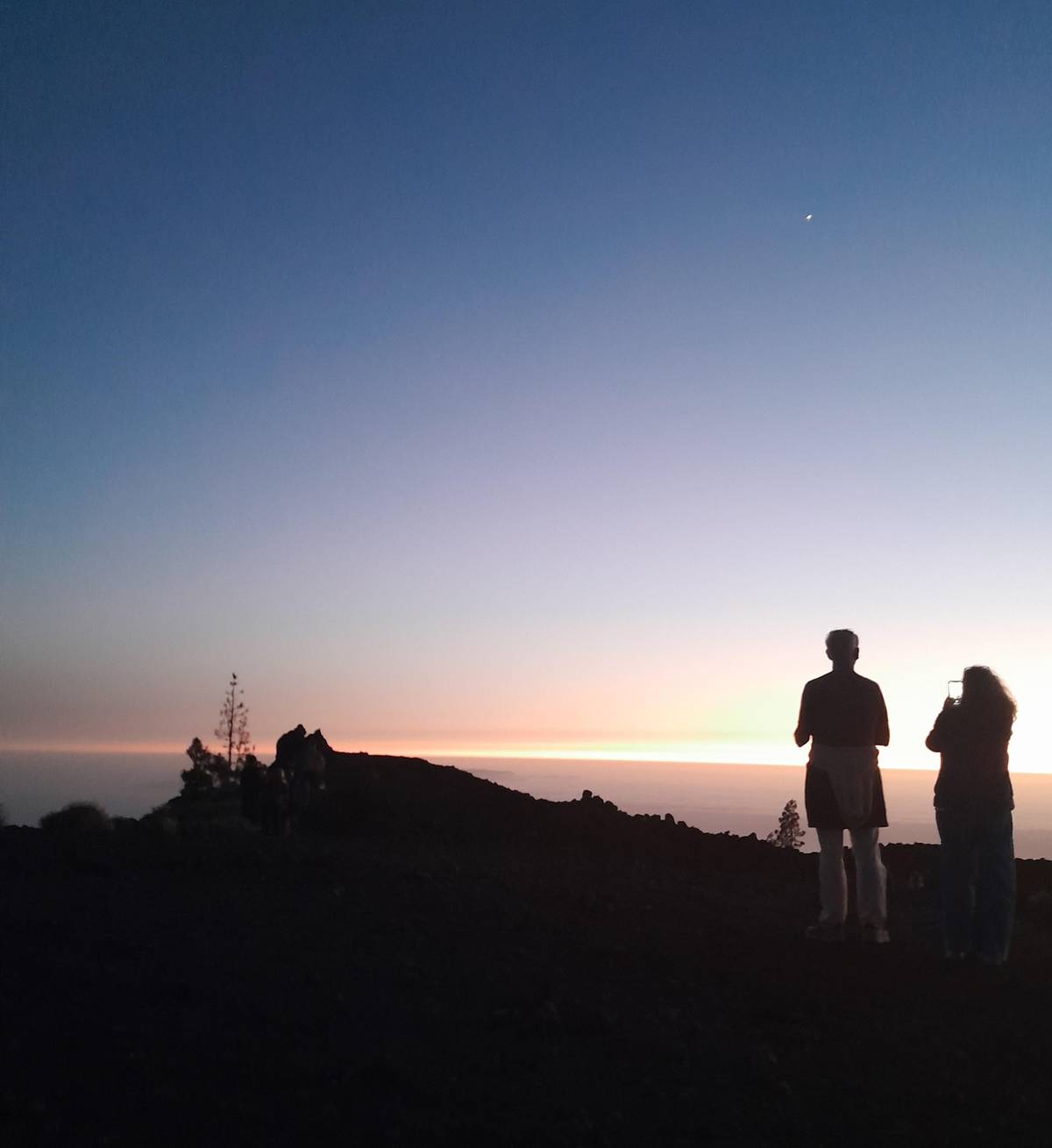
A fab evening with a friendly, fun guide. Sunset with cava first, then a quieter spot where powerful telescopes showed us what is in the sky.”
 AlisonJuly 2026, with family · GetYourGuide
Verified
 5.0
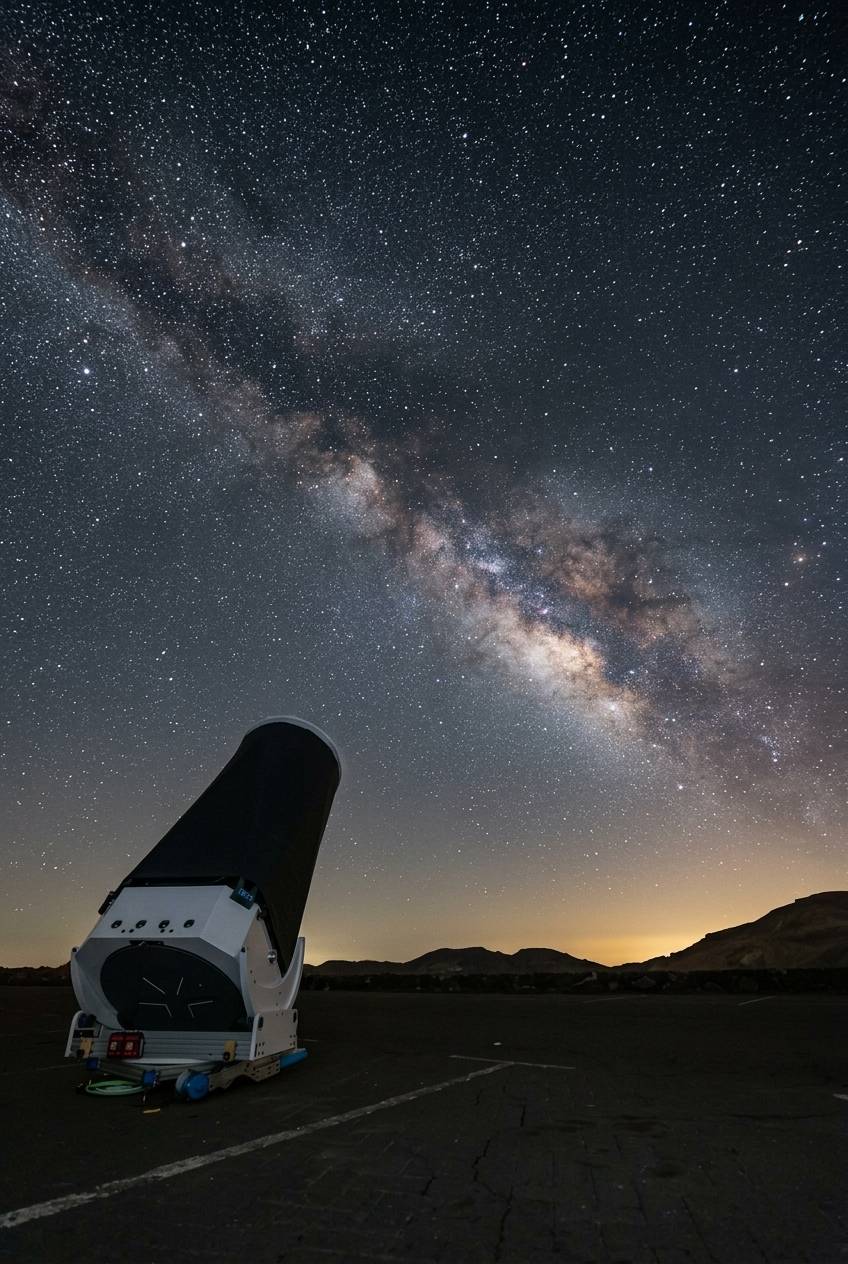
Watching the sunset felt magical, and our guides explained the planets and the cosmos in a really interesting way.”
 LaurentiuJuly 2026 · GetYourGuide
Verified
Insert · what guests say
Scroll through recent reviews and one theme dominates: the people running the night. Guests call their guides knowledgeable, funny and full of energy, and several name more than one guide on the same night, one driving and one explaining the sky. The communication before the evening gets praise too: clear updates about the pickup time and what to bring.
The sunset stop is the second favorite. Reviewers mention the glass of Cava or juice while the sun goes down, and one notes that other groups watch from the same spot, so the atmosphere is shared rather than private. The move to a quieter place for the stars afterwards is what most of them remember best.
Then come the telescope and the photos. Guests talk about seeing planets, constellations and even galaxies through the telescopes, and about the professional photo with the stars and constellations behind them. Couples, families and friends from the United Kingdom, Ireland and Greece rate it highly, and many say they would recommend it.
Compare
 Sunset, Cava and a telescope
Sunset and stargazing evening in Teide National Park
4.7 (3,404)
from $47
 Most reviewed, dinner optional
Tenerife: Teide National Park Sunset and Stargazing Tour
4.2 (4,258)
from $47
 Dinner in the park
Teide National Park: Dinner, Sunset and Stargazing Experience
4.5 (2,408)
from $64
 The long evening with dinner
Teide: Guided Sunset and Stargazing Tour by Night with Dinner
4.7 (1,474)
from $103
Also on Tenerife
More evenings and day trips around Tenerife, with prices pulled live from GetYourGuide and many of them free to cancel.
From Tenerife · 8 hrs
from $126
View tour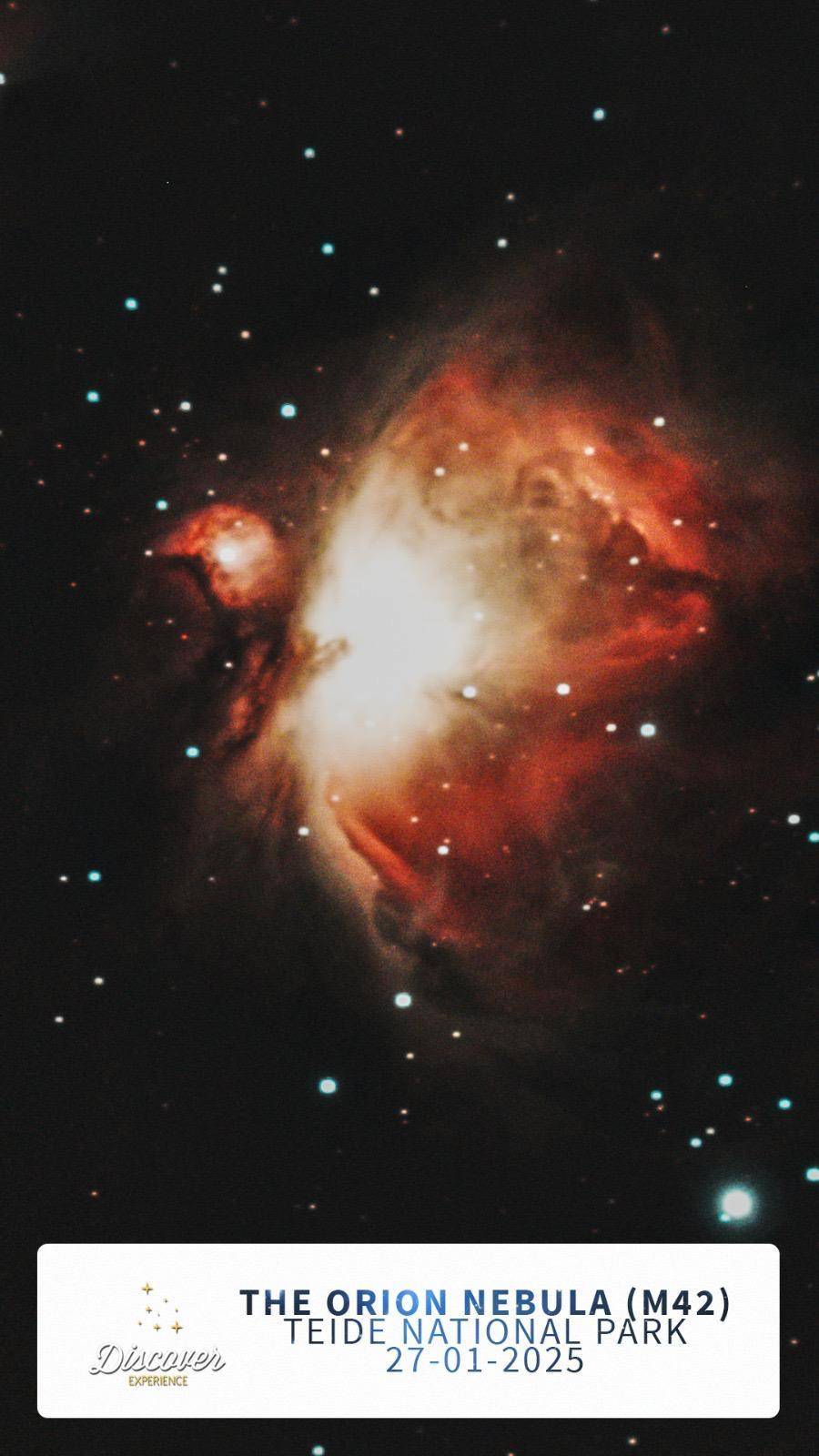
From Tenerife · 1.5 hrs
from $34
View tour
From Tenerife · 3 hrs
from $32
View tour
From Tenerife · 40 min
from $47
View tour
From Tenerife · 6 to 8 hrs
from $1,836
View tourInsert · the sunset stop
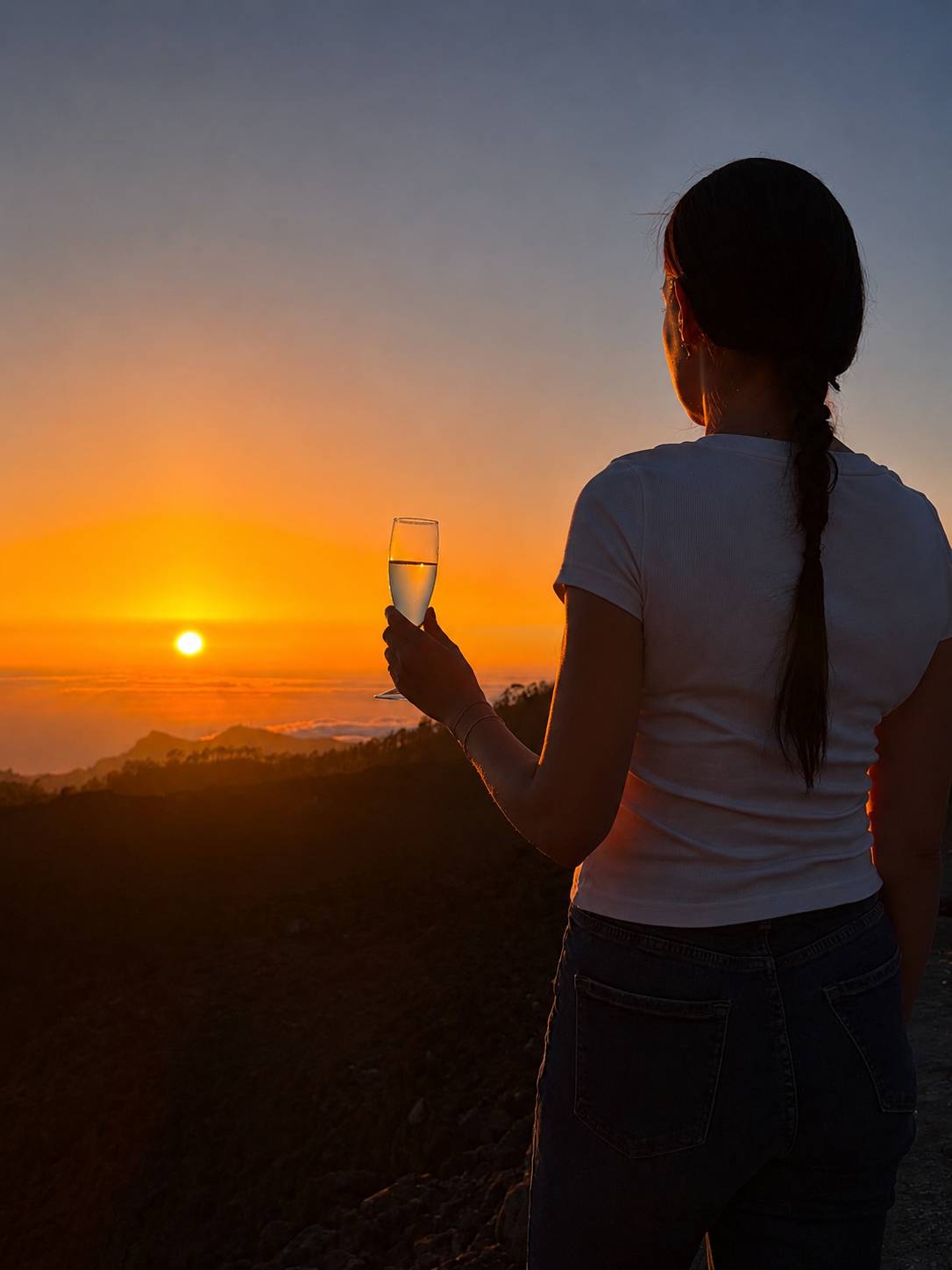
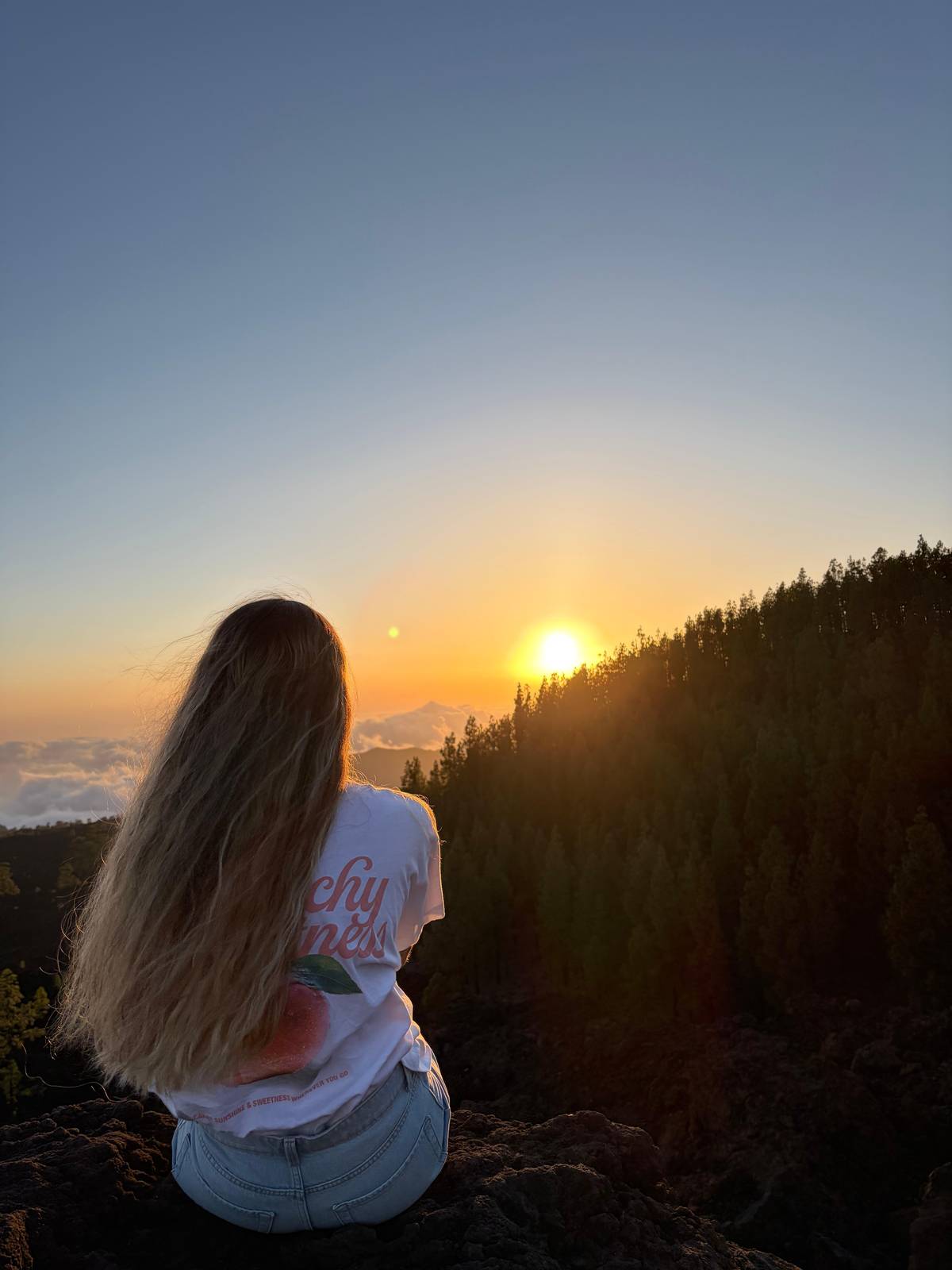
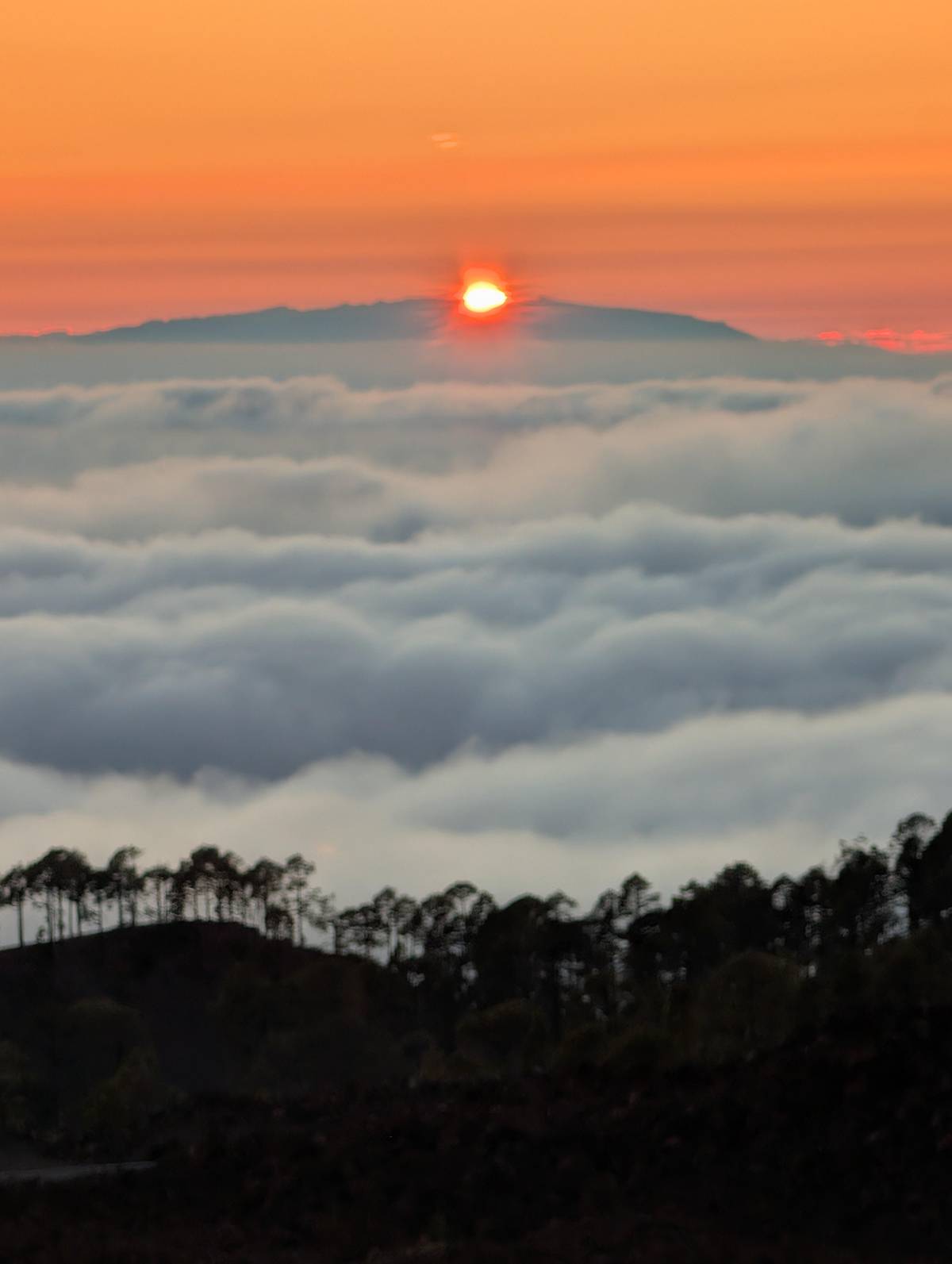
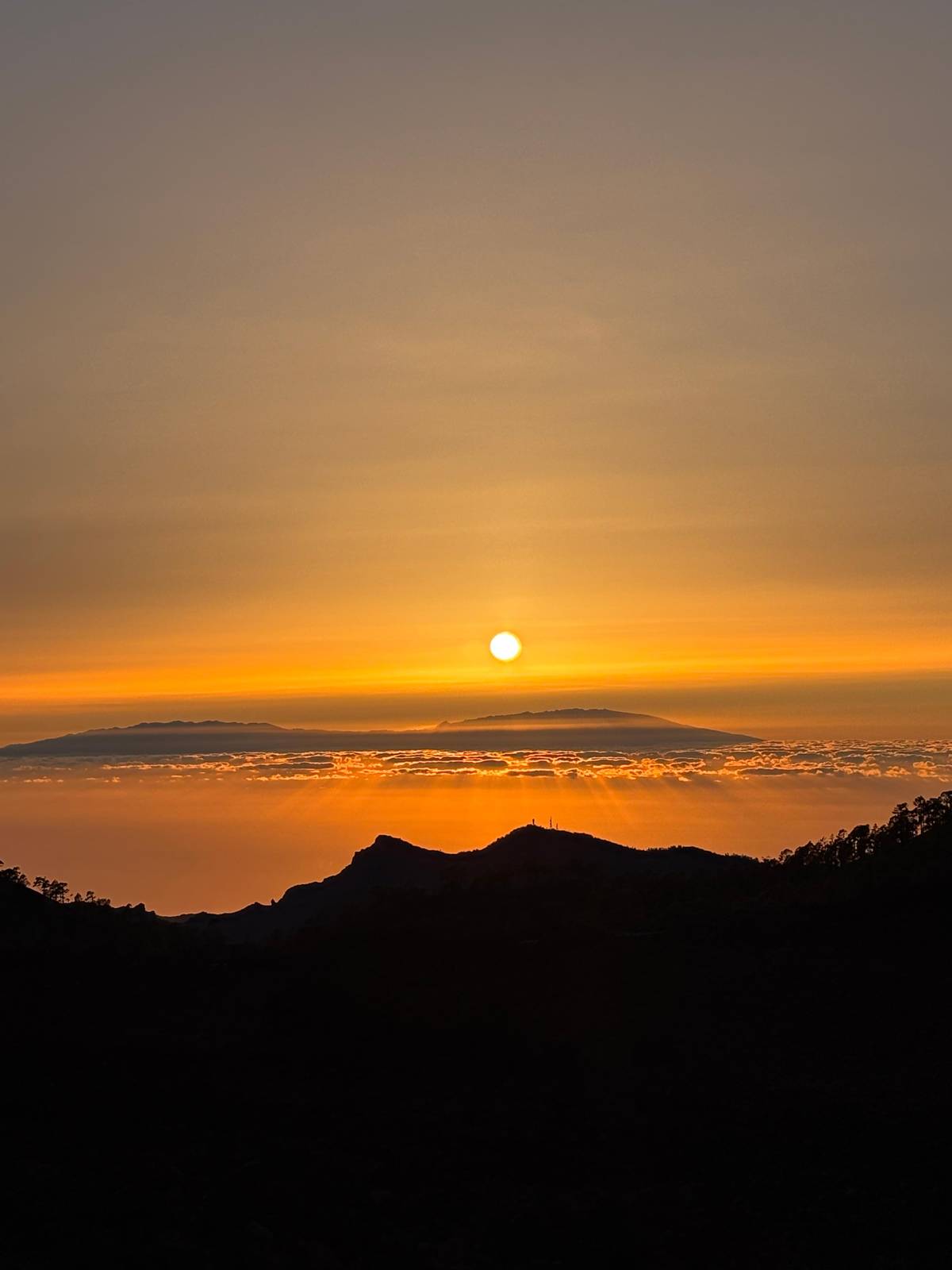
The first viewpoint sits at 1,400 m, beside an old lava flow, and looks west towards La Palma, La Gomera and El Hierro. On a clear evening the sun goes down behind one of those islands, and the sea below turns from silver to copper to black in a matter of minutes.
This is where the welcome drink comes in: a glass of Cava, the Spanish sparkling wine, or a non-alcoholic drink if you prefer. It is a toast, not a meal. Food is not part of the evening, so eat something before your pickup or bring a snack that you can finish before the stars come out.
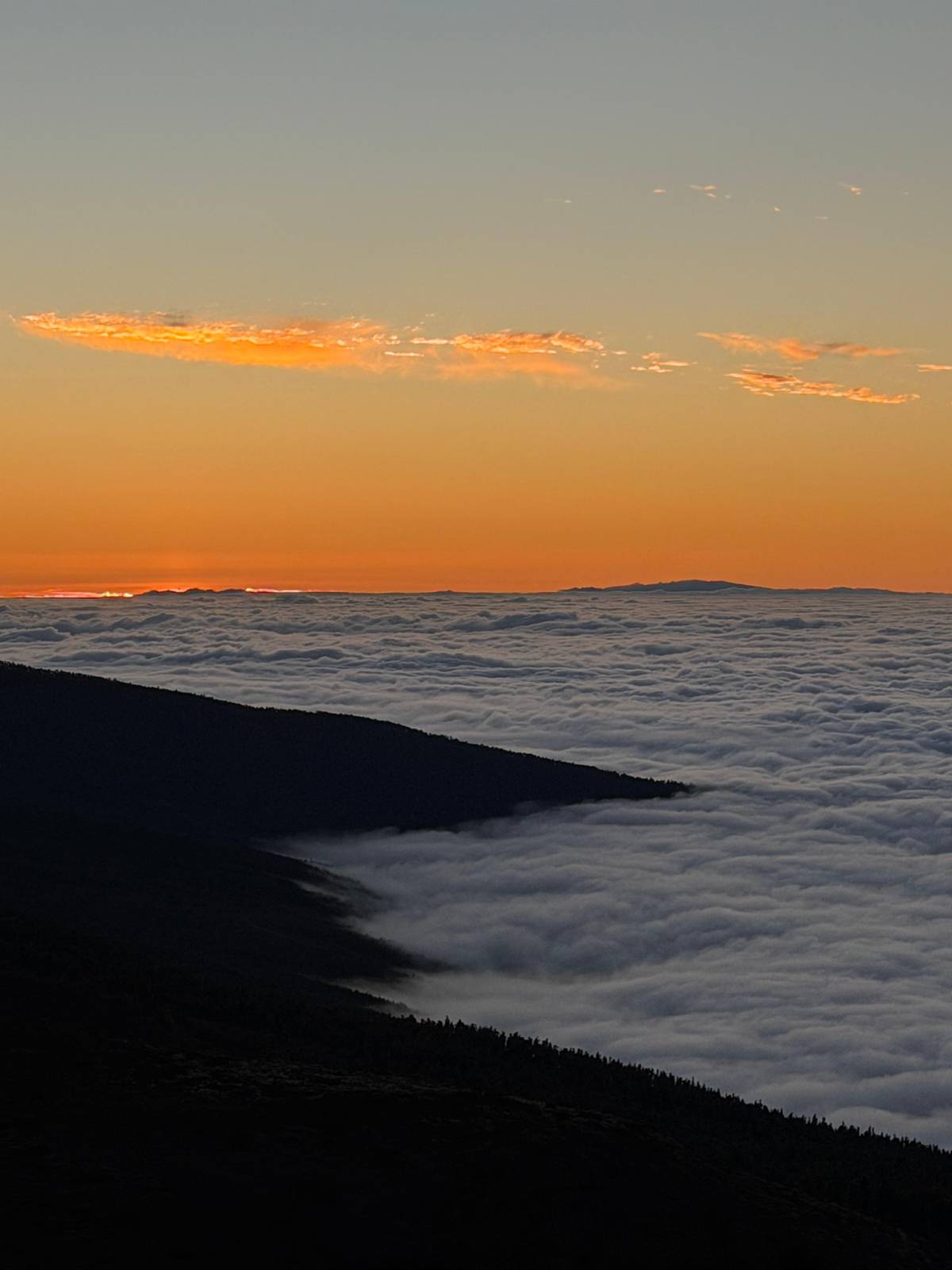
On many evenings you will be looking down on cloud, not up at it. Turismo de Tenerife explains that the trade winds push clouds against the northern mountains, and that this layer of stratocumulus sits between 500 and 1,500 m. From a viewpoint near the top of that band, on evenings when the cloud sits lower, the sun can set over a white sea instead of the ocean.
Gallery
Insert · wind and cloud
Mountain evenings change quickly. The park's own description of its climate is dry, with strong contrasts between day and night, low humidity and often strong winds. That matters on a stargazing night, because a telescope shakes in a gale and cold eats into the hours you can stand still.
The operator has a clear rule for this. If the guides judge the wind, cloud or cold to be unsuitable at the higher viewpoint, the group stays at the lower one for the stargazing too. That still gives you the sunset and the sky, just from a different spot, so plan for the evening rather than for one particular viewpoint.
Your own part is to stay reachable. The exact pickup or meeting time arrives by WhatsApp on the day, by the early afternoon, and it replaces the generic time printed on your ticket. A guest who cannot be reached by WhatsApp or email is treated as a no-show, with no refund, so keep your phone charged and your notifications on.
Your night on Teide
Hotel pickup in the south or your own car; choose an evening, and change your mind free until 24 hours ahead.
Insert · two ways to go
You choose between two options when you book. The VIP option collects you on the south coast, between El Médano and Los Gigantes, at your address or within a few minutes' walk of it, and brings you back. It also includes warm jackets for the cold part of the night.
The self-drive option suits travelers who already have a car. You drive your own vehicle, a rental is fine but a taxi or public bus is not, to the meeting point, then follow the guides between the viewpoints. Mountain roads at night ask for a confident driver, and you will be driving back down tired and in the dark.
There is no pickup from the north of the island. If you are staying in Puerto de la Cruz or La Orotava, the self-drive option is the realistic way to join, and our guide to going up from the north or the south compares the other listings that do leave from that side.
Weather
These are AEMET's 1981 to 2010 averages for its Izaña station at 2,369 m, the high mountain, not the coast; the daylight hours are our own calculation.These are AEMET's 1981 to 2010 averages for its Izaña station at 2,369 m, the high mountain, not the coast; the daylight hours are our own calculation.
Insert · pictures of the night
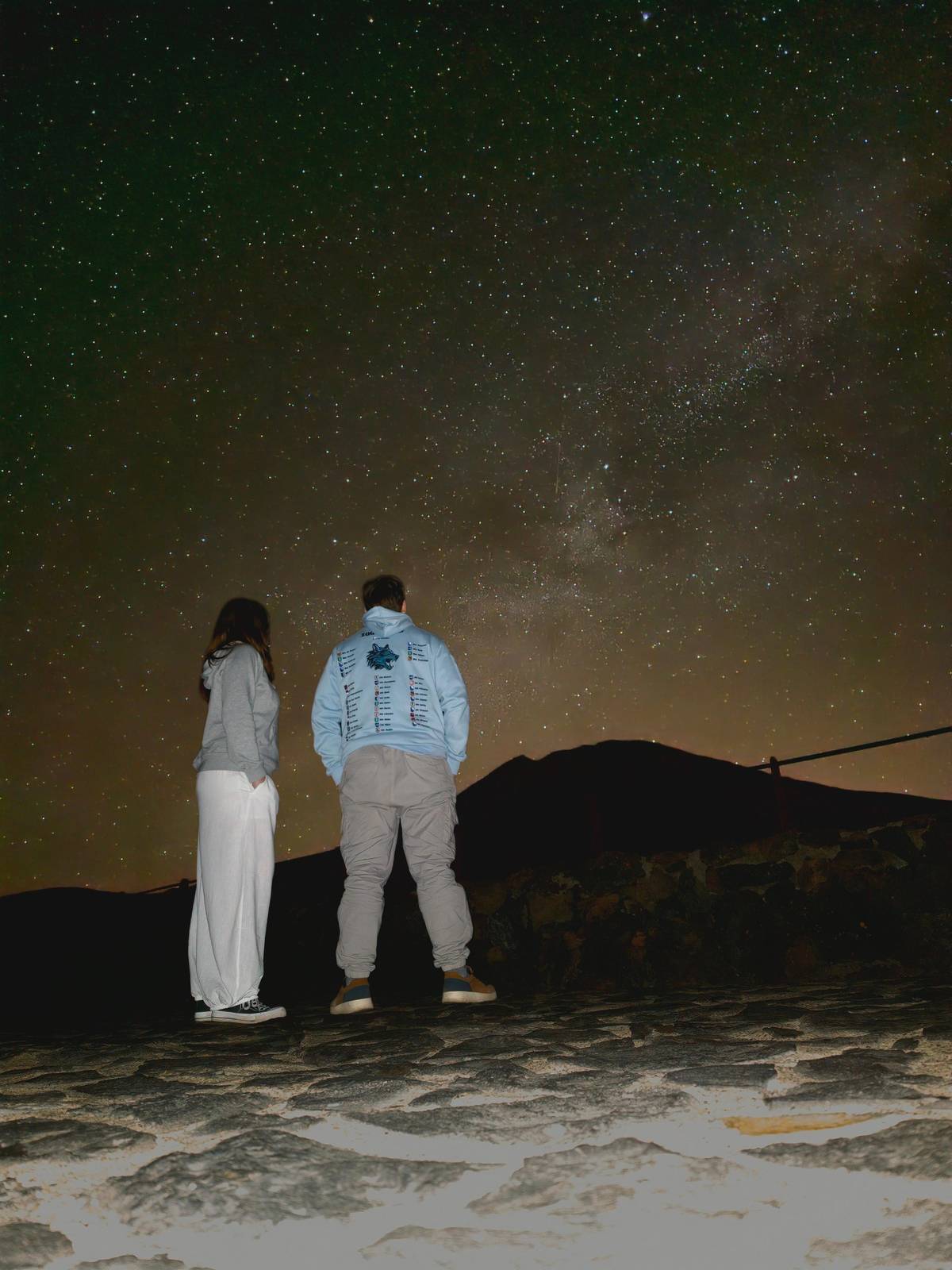
Every guest gets a portrait taken with astrophotography techniques: you in the foreground, the night sky behind you. It is included in the price, and it solves the problem most people meet the first time they try to photograph stars with a phone, which is a black rectangle with a few dots in it.
If you want your own pictures too, bring a camera that can hold the shutter open for many seconds and something steady to rest it on. Focus on infinity before it is fully dark, turn the screen brightness down, and keep flash off. Phones with a night mode can catch the brightest stars and the glow of the horizon after sunset.
Be considerate with light. The human eye needs 15 to 30 minutes to adapt to darkness, and one bright beam ruins that; after it you wait another 15 minutes. A red light, or a phone set to its lowest brightness, keeps the whole group's night vision intact while you check your settings.
Science next door
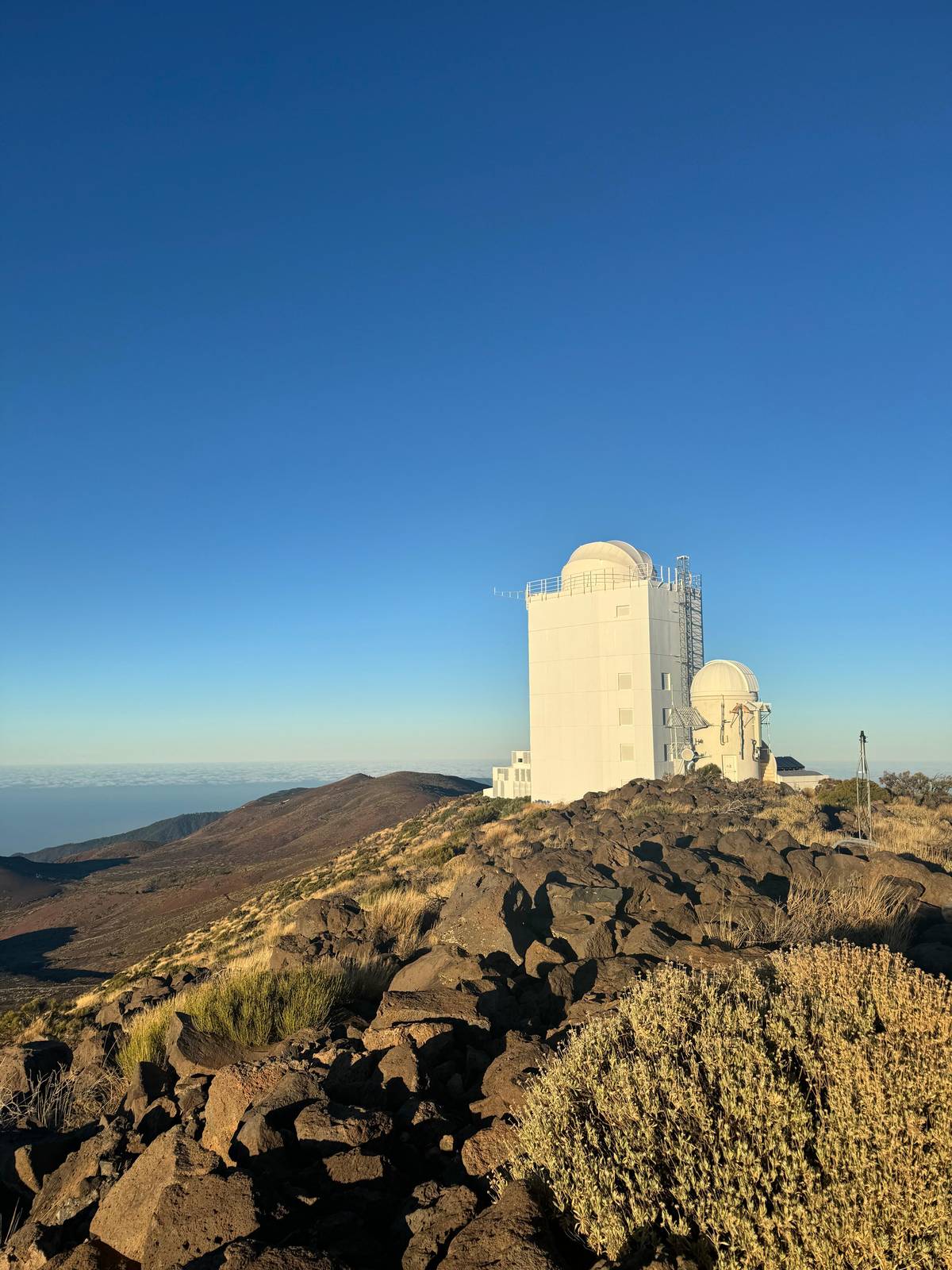
The Teide Observatory stands at Izaña, 2,390 m above sea level.
Within some 50 hectares it holds the solar and night telescopes of more than 60 institutions from 19 countries, and its first telescope went up in 1964.
Insert · dressing for altitude
The temperature drop catches many visitors out. At AEMET's Tenerife Sur airport station, 64 m above sea level, the average January low is 15.2 °C. Up at Izaña, 2,369 m high beside the observatory, the January low averages 1.1 °C.
Even in July the mountain is far cooler than the coast: the average low at Izaña is 14 °C. Wind makes it feel colder still, and you will be standing still for over two hours at the stargazing stop. The operator's own list asks for warm clothing and shoes, a jacket, a long-sleeved shirt and long trousers.
Layers work best. Start with a T-shirt, add a fleece or sweater, then a windproof jacket, and keep a hat and gloves in a pocket from autumn to spring. On the VIP option warm jackets are provided, but on the self-drive option you bring everything yourself.
The practical part
Insert · moon and seasons
No two nights look the same. A full Moon rises at sunset and sets at sunrise, so on those nights it lights the sky all evening and washes out faint stars, while it becomes a superb target in the telescope. The cycle of phases repeats about every 29.5 days, so a week either side of full Moon makes a real difference.
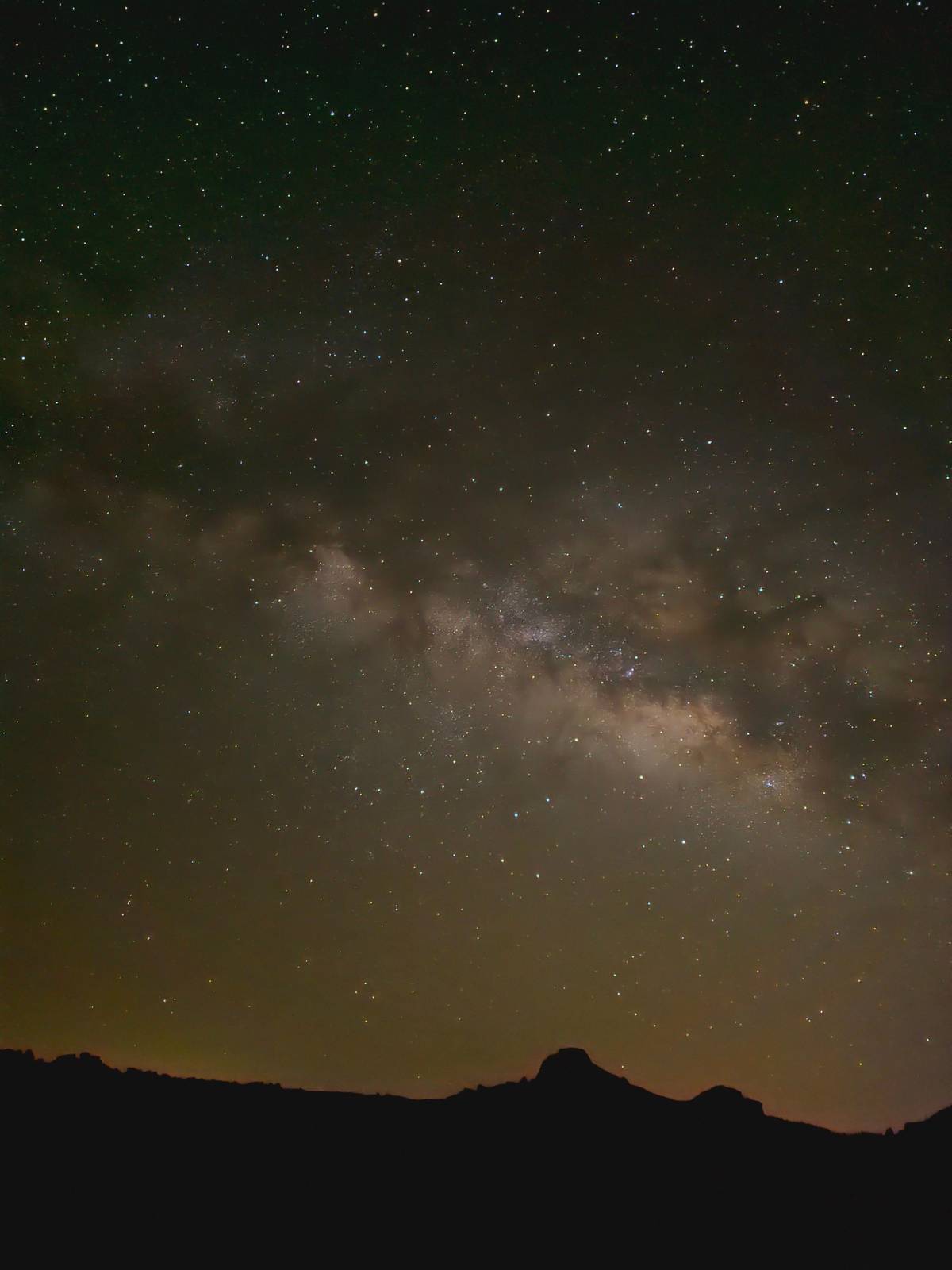
The seasons bring their own highlights. In summer the Milky Way is at its fullest and the Summer Triangle of Vega, Altair and Deneb sits high overhead. The Perseids in August and the Geminids in December are the best-known meteor showers seen from Tenerife.
Clear skies are most common in summer. AEMET's normals for Izaña give an average of 27.0 cloudless days in July and 23.8 in June, against 9.4 in November. Our page on the best time for stargazing on Teide sets out every month and what the Moon means for your booking.
No, it uses public viewpoints. The sunset and the stars are watched from viewpoints where the authorities allow it, not on Teide itself.
On the south coast only. The VIP option collects you between El Médano and Los Gigantes; there is no pickup from the north.
Yes, with the self-drive option. You need your own car, rental included, not a taxi or bus, and you follow the guides between viewpoints.
By WhatsApp on the day. It arrives by the early afternoon and replaces the time on your ticket; stay reachable or you count as a no-show.
No. Food is not included; you get a glass of Cava or a non-alcoholic drink at sunset.
A 12-inch Dobsonian. The guides also point out stars, constellations and planets with a laser pointer.
No. There are no toilet facilities at or near the stargazing locations, so plan ahead.
Not under 5. Children under 5 are not allowed on the VIP option; the listing is also not suitable for people with altitude sickness.
Warm layers and closed shoes. Bring warm clothing and shoes, a jacket, long sleeves and long trousers; jackets are lent on the VIP option.
You may stay lower down. If wind, cloud or cold make the upper viewpoint unsuitable, the guides keep the group at the lower one.
Insert · on your own
You can drive into the park at night by yourself, and Turismo de Tenerife names good spots: La Ruleta viewpoint beside the Roques de García, with space for a telescope, and the area around the Parador, the only hotel in the park. From the north the TF-21 climbs 31 km from La Orotava to El Portillo.
The park's rules still apply after dark. You may park only in the designated areas, and chairs, tables and other outdoor furniture are not allowed outside authorized zones. Drones are to be avoided, and lighting a fire in the open is not allowed.
What you lose on your own is the guide and the telescope. A laser pointer in expert hands turns a field of dots into named stars and stories in minutes, and a large telescope shows planets and galaxies your binoculars cannot reach. For a first night on Teide, most people get far more out of it with someone who knows the sky.
Book, free to cancel →Book now
The prices come live from GetYourGuide, exactly as shown there, never entered by hand.
Usually sells out 6 days ahead
Insert · honest caveats
It suits couples, friends and families who want the sunset and the stars in one evening without driving a mountain road in the dark, especially on the VIP option. It is less suited to anyone who struggles with altitude: the listing says it is not suitable for people with altitude sickness.
Children under 5 are not allowed on the VIP option, and wheelchair users are asked to tell the operator before booking. Pets, bikes and baby carriages are not allowed. There are no toilets at or near the stargazing places, which is worth knowing before a long evening outdoors.
Check your flight times too. The operator recommends against booking for the same night if your plane lands in the afternoon. Beyond that, the terms are relaxed: payment can wait, and backing out is free as long as you do it 24 hours before the evening begins.
The rating
Excellent
4.7
3,404 checked reviews on GetYourGuide
The split comes from the 28 newest reviews we hold; the order on GetYourGuide leads with the best. Across all 3,404 reviews the overall score is 4.7.
Before you go
Keep a seat under the Teide sky and settle the bill later; a change of heart a day ahead costs nothing. GetYourGuide shows the open evenings and the price.
Usually sells out 6 days ahead